
Colorado Hazard Control Offers Guidance on Common Environmental Issues in Commercial Properties, Integrating a Cleanup Strategy Into the Real Estate Transaction Workflow, Case Studies, and Key Takeaways for Buyers and Sellers
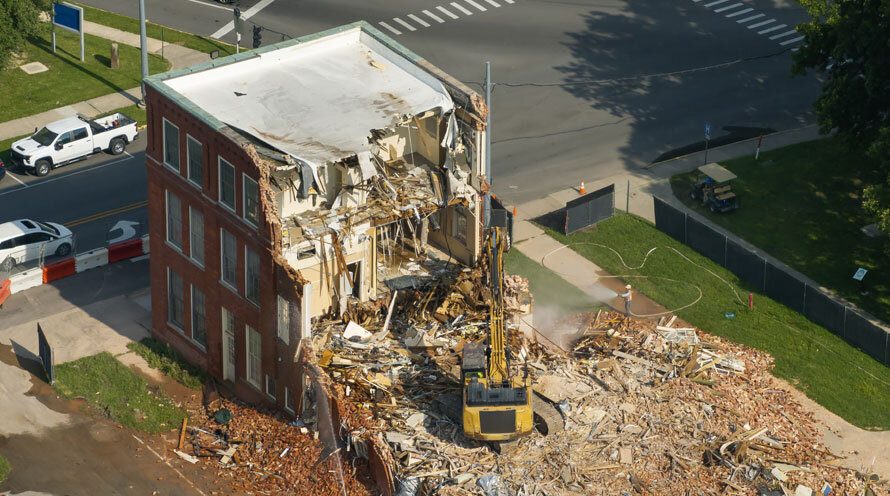
In commercial real estate, environmental problems can turn a promising investment into a costly lesson. A single overlooked issue can delay financing, devalue property, or even stop a deal from closing.
Environmental risks do not only threaten land. They can also threaten deals, reputations, and investments. For buyers, sellers, lenders, and investors, understanding how to identify and manage these risks can mean the difference between a profitable closing and a failed transaction.
This article explores how environmental concerns affect commercial real estate, what risks they pose, and how professional cleanup services can turn those risks into long-term value.
Why Environmental Concerns Are Critical in Commercial Real Estate Deals
Let’s start with regulatory and legal implications. In Colorado, property owners can be liable for contamination under federal CERCLA (Comprehensive Environmental Response, Compensation, and Liability Act) laws and state oversight by the Colorado Department of Public Health & Environment (CDPHE). These rules require reporting, cleanup, and documentation.
Environmental findings can quickly alter deals. Phase II assessments revealing contamination may lower property values, delay financing, or require costly remediation. Issues like asbestos or mold can stall occupancy and construction.
Beyond costs, environmental problems carry reputational and operational risks. Tenants require safe spaces, and investors expect compliance. Sites linked to contamination or radon can damage reputations, increase vacancies, and reduce long-term returns.
Common Environmental Issues in Commercial Properties
Certain environmental issues appear repeatedly in the commercial real estate market:
- Soil and groundwater contamination. This is often caused by historical industrial use, fuel leaks, or spills.
- Asbestos, lead paint, mold, and radon. These hazards are widespread in older buildings, especially those built before 1980. Radon is particularly prevalent in Colorado regardless of when the structure was built.
- Former industrial or “brownfield” sites. Many Denver metro areas, including Lakewood, Commerce City, and Pueblo, have legacy industrial properties that require investigation before redevelopment.
- Underground storage tanks and petroleum releases. CDPHE regulates these systems, and leaks from inactive tanks can contaminate large areas of soil and groundwater.
- Off-site or migrating contamination. Groundwater plumes or vapor intrusion from neighboring properties can create liabilities for owners who had no role in the original release.
Proactively addressing these issues can prevent impacts to financing, valuation, and transaction timelines.
The Role of Environmental Due Diligence in Real Estate Transactions
Environmental due diligence protects both buyers and sellers. The process usually begins with a Phase I Environmental Site Assessment (ESA), conducted by a qualified environmental professional. This review evaluates historical property uses, regulatory records, and site conditions to identify potential contamination.
If the Phase I ESA identifies concerns, a Phase II ESA may be conducted. This involves sampling soil, groundwater, or building materials to confirm whether contamination exists. In Colorado, these assessments must meet both federal ASTM standards and CDPHE guidance.
Buyers typically pay for due diligence, but costs can be shared or credited during negotiations. The findings influence contract terms, including indemnification clauses, escrow funding, and responsibility for cleanup. Early and thorough due diligence gives all parties the information they need to budget accurately and prevent surprises after closing.
How Professional Environmental Cleanup Services Mitigate Risk
Professional cleanup services bring technical expertise and regulatory understanding required to remediate contamination safely and efficiently. Firms like Colorado Hazard Control, which specialize in environmental cleanup, manage everything from asbestos and lead abatement to soil excavation and radon mitigation.
Their role goes beyond physical cleanup. Experienced contractors coordinate directly with CDPHE, local health agencies, and sometimes the Environmental Protection Agency (EPA) to ensure compliance and obtain final approval. Proper documentation provides proof that the property meets regulatory standards. This documentation reassures lenders and investors and often allows deals to move forward faster.
Cleanup can also be integrated into transaction terms. For example, sellers may fund remediation through an escrow account or agree to complete cleanup prior to closing. Buyers can negotiate holdbacks or insurance policies to cover potential future costs. When handled professionally, these strategies make financing smoother and closing timelines more predictable.
Integrating Cleanup Strategy Into the Real Estate Transaction Workflow
Successful transactions treat environmental management as part of the standard workflow, not as an afterthought. A typical process includes:
- Due diligence and site assessment
- Risk analysis and regulatory consultation
- Development of a cleanup scope and budget
- Cost allocation between buyer and seller
- Completion of cleanup and regulatory review
- Final closing and post-close monitoring
Each step involves collaboration. Buyers and sellers negotiate responsibility, brokers facilitate communication, lenders assess financial impact, and remediation contractors ensure that all technical and regulatory requirements are met.
Best practices include clear disclosure of known conditions, realistic budgeting for cleanup costs, and inclusion of detailed environmental provisions in purchase contracts. Transparency builds trust and keeps transactions on track.
Case Studies: Colorado Examples of Cleanup in Commercial Real Estate Development
Example 1: Stanley Marketplace – Aurora, CO
The former 22-acre Stanley Aviation plant in Aurora, Colorado, was transformed from a contaminated industrial site into the $30 million Stanley Marketplace. Through EPA, CDPHE, and City of Aurora partnerships, asbestos and soil contamination were remediated using brownfield loans, tax credits, and TIF financing. Opened in 2016, the marketplace now hosts more than 50 local businesses, employs 500+ people, and has spurred more than $100 million in nearby redevelopment, turning a brownfield into a thriving community hub.
Example 2: Belmar Mall Redevelopment 0150 Lakewood, CO
The 104-acre Belmar redevelopment in Lakewood, Colorado, transformed the failing Villa Italia Mall into a vibrant mixed-use urban center with retail, office, residential, and public spaces. Led by Continuum Partners and the City of Lakewood, the $426 million project included $5 million in environmental cleanup for asbestos and groundwater contamination. Supported by brownfield loans, grants, and TIF financing, Belmar created thousands of jobs, 196 new homes, and a sustainable community hub that revitalized Lakewood’s economic core.
Key Takeaways for Buyers and Sellers
For buyers, environmental due diligence is essential. Always review historical uses, conduct thorough site assessments, and ensure cleanup responsibilities are defined in writing.
For sellers, identifying and addressing potential issues early preserves value and keeps deals moving. Properties with recent cleanup documentation or regulatory closure often attract stronger offers and faster closings.
Conclusion
Environmental issues in Colorado commercial real estate can pose serious financial and legal risks. Yet with disciplined due diligence, clear contracts, and professional cleanup by companies like Colorado Hazard Control, those risks can be managed and even transformed into opportunities.
Environmental cleanup should not be an afterthought. Treat it as a strategic advantage that protects investments and credibility.
About Colorado Hazard Control
Colorado Hazard Control is the natural industrial, commercial and residential environmental solutions provider achieving the highest quality workmanship by focusing intensely on what we do best—health, safety, and environmental compliance. With locations in Denver, Colorado Springs and Pueblo, we offer our services statewide. Whatever your needs—lead abatement, mold remediation, radon mitigation, demolition, or training—we're there with 24-hour emergency response available. https://www.coloradohazard.com
Media Contact:
Lynnelle Beaver, 303-410-4941
Information contained on this page is provided by an independent third-party content provider. XPRMedia and this Site make no warranties or representations in connection therewith. If you are affiliated with this page and would like it removed please contact [email protected]
