
Originally Posted On: https://lifeoftaiwan.com/news/unique-cultural-tours-in-taiwan-you-wont-find-in-guidebooks/
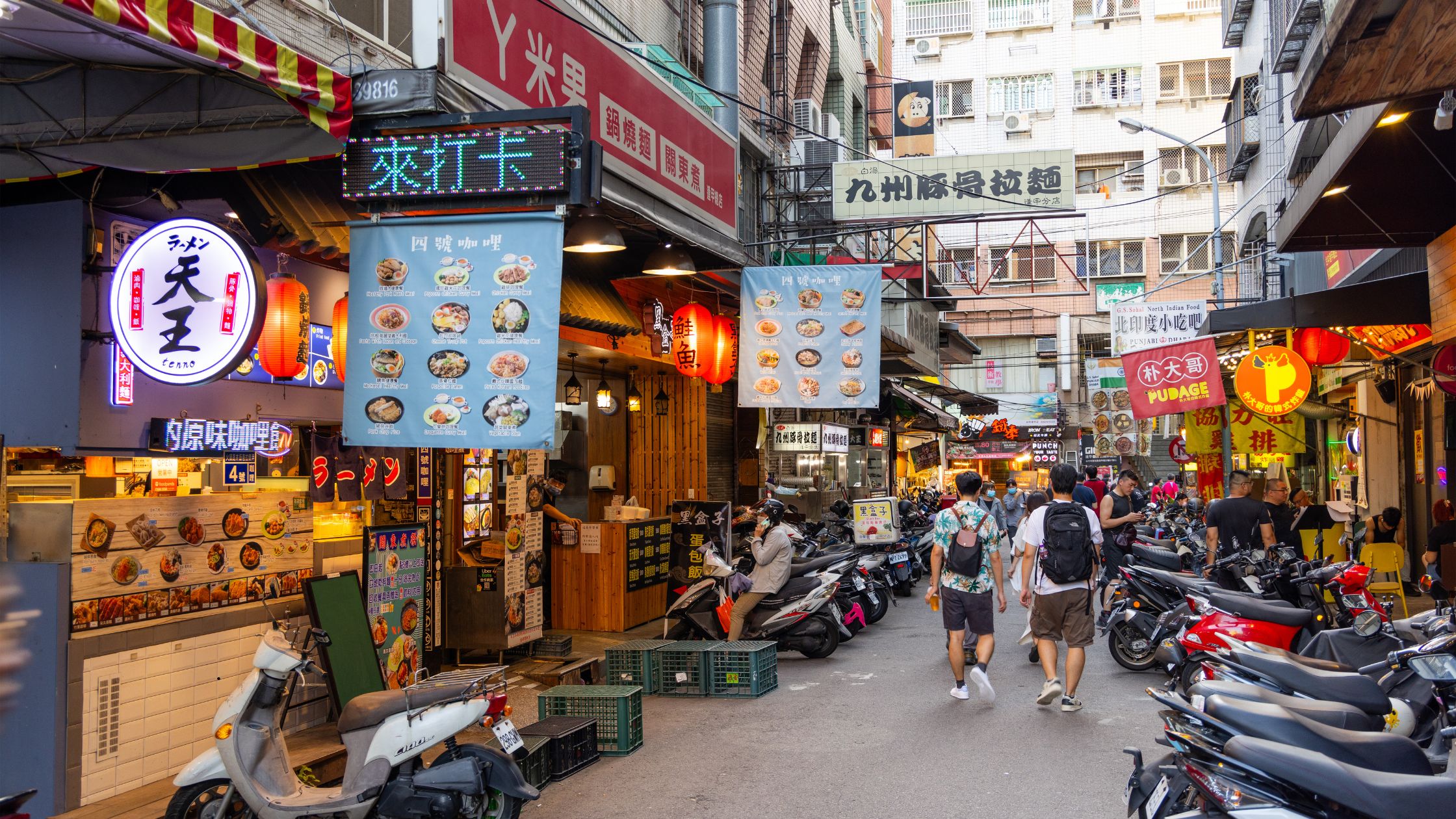
You’re booking more than a checklist. This is a culture-first trip that centers on moments a guidebook skips. Expect neighborhood conversations, food stalls where locals linger, and heritage sites that carry real stories.
Life of Taiwan is your shortcut to a local-feeling way of seeing the island. Fewer generic stops, more daily life. You’ll trade crowded selfie spots for scenes that stick with you. And honestly, if you’ve ever done the “flag-following, 15-minutes-and-go” thing, you already know why this matters.
If you’re weighing different tours in Taiwan, here’s the simple idea: we build days around real life—when markets are lively, when temples are active, when views actually look the way you pictured them. Not the other way around.
“Unique cultural” here means slow tea rituals, markets you’ll enjoy, and mountain days that don’t feel like a bus parade. It also means heritage sites that matter and street food that tells a history.
This is built for U.S. travelers: first-timers who want the highlights without feeling touristy, return visitors who want depth, and families who need smooth logistics. Later sections show sample itineraries, options, and what’s included so you can pick a tour with confidence.
Key Takeaways
- You’re choosing a culture-first experience, not just a list of stops.
- Life of Taiwan focuses on neighborhoods, food, and real conversations.
- Expect meaningful heritage sites, relaxed tea time, and scenic nature.
- Great for U.S. first-timers, repeat visitors, and families.
- Page will offer sample itineraries, options, and clear inclusions.
Meet Life of Taiwan and Your “Not-in-the-Guidebook” Way to Travel
This trip skips the obvious and delivers casual, human moments that feel like a local day out. You’ll trade long lines and one-size-fits-all stops for timing that matches markets, festivals, and real daily life.
A quick aside—this is the part most “standard” itineraries miss. It’s not that the famous sights are bad (some are genuinely great). It’s that without context and pacing, they can feel like disconnected photos. We’re trying to avoid that.
What makes your trip feel local, not touristy
Local, not touristy means smarter timing, smaller crowds, and space to ask questions. You’ll visit places when they’re lively, not when they’re busiest.
How you’ll explore: private tour flexibility or small group energy
Choose a private tour when you want full control over pace and stops. Pick a small group—usually 10–15 travelers—if you want shared moments without feeling crowded.
Where you’ll notice the difference: culture, heritage, people, and food
Life of Taiwan keeps it human with a guide who translates context, not just language. That makes culture you can join, heritage you understand, people you actually meet, and food you’ll order with confidence.
StyleTypical SizeBest ForWhat You GetPrivate tour1–4 travelersFull control of paceFlexible stops, dedicated English-speaking guideSmall group10–15 travelersShared moments, friendly energySocial vibe, curated scheduleHybrid dayVariesMix of solo time and companySpontaneous snacks, street-level stories
Tours in Taiwan Designed Around You, Your Time, and Your Travel Style
We build days that match your pace, whether you want fast highlights or slow afternoons.
If what you really want is a dependable Taiwan private tour guide service (the kind where you don’t have to mentally juggle timing, tickets, and “wait, which exit is it?”). This is where the concierge model shines. You focus on the experience; we handle the choreography.
Private options: English-speaking guide and dedicated driver
Choose a private tour when you want control. You get a dedicated English-speaking guide and a driver, so logistics stay smooth.
This setup saves time between cities and lets you linger where you want. It’s ideal if you value flexibility and fewer transitions—especially if you’ve ever felt rushed out of a place you were actually enjoying.
Small group energy without the crowd
A small group caps at about a dozen people. You get shared moments and easy conversation, but not a herd.
Groups are great if you want a built-in crew for meals and landmark stops.
How we plan your days
We ask your vibe: fast highlights or slow culture, how much walking you prefer, and how adventurous you are with food.
Days are paced for real humans — especially during humid summers or active mountain hikes.
Family-friendly specifics
Family trips include snack breaks, restroom planning, and flexible start times.
We also offer easy splits for an hour, so parents and kids can follow different interests.
OptionTypical SizeKey BenefitPrivate tour1–4Guide + driver, full flexibilitySmall group6–12Social energy, curated paceFamily planVariesChild-friendly pacing and breaks
Taipei Culture Hits Different When You Know Where to Look
Seeing Taipei with context turns famous sights into connected moments, not isolated photos. Your guide acts like a decoder ring, showing how streets, temples, and monuments link to the city’s modern story.
Chiang Kai-shek Memorial Hall and the modern story
Chiang Kai-shek Memorial is more than a grand plaza. You’ll learn why the memorial hall shapes public memory and what locals notice about the sculptures, guards, and architecture.
Your guide will tie the site to the city’s political shifts so the visit feels meaningful, not just scenic.
National Palace Museum: world-class heritage in one stop
National Palace Museum houses treasures moved from Beijing in 1949. It’s a concentrated heritage experience—easy to navigate with a focused guide who highlights must-see pieces.
Taipei 101 by night and temple life that feels lived-in
Visit Taipei 101 after dinner for a quieter skyline and a memorable night view of the city. The 508-meter tower reads differently under lights—more cinematic, less crowded.
Pair that with a stop at Dalongdong Bao’an Temple and local streets. The rituals and food stalls give texture to what you saw in museums and plazas.
- Why this matters: Context turns landmarks into stories you remember.
- Practical pace: Morning walks, afternoon reset, night skyline.
- Best for: Travelers who want depth, not just photos.
Night Markets, Street Food, and the “You Had to Be There” Moments
Even on your first evening, you can eat like a local — with a few smart moves and a friendly guide to point the way.
How to eat like you live here
Order small portions and share plates. That lets you taste more without overcommitting to one dish. Try a skewer, a warm bun, and a sweet snack across a few stalls. Pace yourself; the best bites often come late in the route.
Market strategy: what to try, when to go, and how to skip the lines
Go earlier for shorter queues, later for the full energy. Your guide reads the crowd and steers you away from the longest lines.
Focus on iconic stalls first, then wander to smaller stands for surprises. This strategy makes a busy night market feel doable.
Why this matters
Night markets are safe and social. You’ll watch local people unwind after work and enjoy moments that become the best part of the tour.
If you’re jet-lagged on day one, we build flexibility so you can rest or join the night scene. Life of Taiwan schedules market stops for both classic street food and luxury tour options, so you get the experience that fits your time and taste.
Old Streets and Storybook Stops Beyond the Usual Route
Walk down lanes that look like a movie set, and you’ll see why old streets feel cinematic at dusk. Life of Taiwan Times visits, so the light and crowd make the scene, not spoil it.
Jiufen Old Street: lantern-lit lanes and teahouse views
Jiufen Old Street is best late afternoon into the evening. Lanterns, hillside teahouses, and coastal views feel magical when you avoid the mid-day crush.
Plan a slow arrival, sip tea with a view, then wander narrow alleys for photo moments that feel personal.
Anping’s historic lane and local snacks
Anping Old Street offers a deeper history and a snack crawl that teaches you Tainan’s past through flavor. You’ll try classic bites and see forts and temples nearby.
Hidden corners that feel like time travel
Life of Taiwan finds tucked-away viewpoints and small shops that big buses miss. These short detours turn a standard day into a private experience.
PlaceBest TimeWhy it mattersJiufen Old StreetLate afternoon–eveningLanterns, teahouses, photo-ready viewsAnping Old StreetMorning–afternoonHistory, local snacks, easy walkingHidden CornersAny quiet hourOverlooked views and small shops
Tainan: Taiwan’s Historic Heart and Food Capital Energy
Step into Tainan and you’ll feel layers of history underfoot and taste them at street stalls. Life of Taiwan designs a compact day that balances heritage sites and local food, so you soak up the city without rushing.
Fort Zeelandia and the island’s layered past
Built by the Dutch East India Company between 1624 and 1634, Fort Zeelandia still shows parts of its original wall. Japanese-era work (1895–1945) rebuilt terraces you can walk today.
Your guide will explain why the site matters beyond a photo—how each layer shaped the port and the people who lived here.
Chihkan Tower and visible traces of the old rule
Chihkan Tower sits where Fort Provintia stood. You’ll see preserved foundations and details that point to Dutch and later influences. A short stop makes those shifts clear and memorable.
Confucius Temple: a calmer cultural pause
The Confucius Temple offers a quieter tone. It’s a place you feel, not just photograph. We pair it with snack stops so the timing keeps you hungry for the best bites.
How we build your perfect Tainan day
Choose more temples, more museums, or more food. We match walking comfort and time preferences, then set a pace that fits your tastes. Expect a guided day that feels personal and rewarding.
Alishan: Tea, Temples, Forest Trails, and the Sea of Clouds
Alishan is a reset button — cooler air, giant cypress, and mornings that slow your pace. Plan a day here to trade city rush for calm views and a steadier rhythm.
The five wonders you’ll plan your day around
The five wonders are sunrise over Yushan, the sea of clouds, the Alishan Forest Railway, ancient cypress trees, and cherry blossoms. Build realistic timing so you don’t chase every sight at once.
Alishan Forest Railway: real history on a scenic ride
The railway was built by the Japanese in 1912 for timber. Your guide points out switchbacks, spirals, 50 tunnels, and 77 wooden bridges — details that make the ride a living story, not just a commute.
Sisters’ Ponds and approachable trails
Sisters’ Ponds is a short, lovely hike that proves you don’t need to be a hardcore hiker to enjoy mountain trails. Choose routes that match your pace and stop to breathe the forest air.
Tea that’s more than a quick tasting
Alishan tea is prized for its aroma and altitude-grown flavors. Life of Taiwan paces tea time so you learn steeping, tasting notes, and why this leaf matters to locals.
If tea is your main love language (no judgment—same), you can lean into it with a dedicated tea tour Taiwan that builds in plantations, tea houses, and the kind of slow, hands-on sessions that actually teach you something—beyond “yep, that’s oolong.”
Cherry blossom season is the best time to visit
Spring brings blooms and booked-up lodgings. Aim for early spring and reserve time for sunrise shifts and possible cloud cover. A balanced plan mixes temple stops, like Shouzhen Temple (est. 1948), with nature so your day stays cultural as well as scenic.
Sun Moon Lake: Misty Mornings, Indigenous Culture, and Lake Trails
Mornings at Sun Moon Lake feel like a slow curtain rising—cool air, soft light, and a quiet that rewires your travel pace. The lake covers about 7.93 sq km at an elevation of 748 m and is famous for its fairy-tale dawn mists.
Why this stop belongs on your route (and how to do it right)
Sun Moon Lake is more than a scenic pause. It balances a busy taiwan tour with calm that shows a different side of the island.
Do it right: start early for misty light, skip the most commercial piers, and give yourself quiet minutes by the shore.
Thao culture: what you’ll learn when you slow down
Local Thao people call this place home. Ask about traditional fishing, seasonal stories, and respectful ways to photograph ceremonies. Context matters more than souvenirs.
Lake cruise, trails, and Yuchi township
Plan a short cruise for wide views, then walk gentle lakeside paths for the calm you didn’t expect. Stop in Yuchi (Fish Pond) township for simple shops and honest local food—no tourist packaging.
National Parks and Mountain Escapes for Fresh Air Days
When you need a break from museums and markets, a national park day delivers clear skies and calmer minds.
Think of park days as fresh-air insurance. They reset your pace, especially if you stack city stops. Life of Taiwan can fit a short nature half-day or a full escape to balance your schedule.
Yangmingshan: quick nature near the city
Yangmingshan National Park is an easy win from Taipei. It’s ideal for a half-day or a full day, depending on your time and energy.
Kenting: coast, beaches, and sunshine
Kenting National Park offers a beach counterpoint—coastal cliffs, warm sea, and a very different vibe from mountain forests.
Pick trails by fitness and season
Choose easy viewpoints for kids, moderate loops for steady hikers, and longer routes for active days. Spring and autumn are best; summer can be hot, and typhoon risk rises from June to September.
ParkBest timeIdeal lengthYangmingshan National ParkHalf–full dayKenting National ParkFull dayTrail choicesSeason-dependentEasy/Moderate/Strenuous
Wild Coastlines and Islands You’ll Brag About Back Home
Expect dramatic shorelines and small islands that turn your trip into stories you tell for years. These are the chapters with fewer people and bigger nature.
Qingshui Cliffs: a real coastal show
Qingshui Cliffs stretch about 13 miles of jungle-covered cliff that drops straight to the Pacific. Drive the coastal road for sudden sea drop-offs and wide, cinematic views that feel epic rather than staged.
Penghu Islands: basalt, beaches, and quiet vibes
The Penghu archipelago—roughly 90 islands—pairs white sand with towering basalt columns and simple temples. You might catch windsurfers or spot rare green sea turtles near clear bays. This is the off-radar beach-and-geo combo that feels genuinely remote.
How Life of Taiwan plans island time
Island time can be glorious or a time sink. Life of Taiwan plans routes so your days stay full of moments, not transfers.
Choose a short add-on for a taste, or build several days around coastlines for deeper exploration.
PlaceBest optionWhy choose itQingshui CliffsCoastal drive (half day)Epic viewpoints with minimal walkingPenghu Islands2–4 day stayBeaches, basalt columns, cultural calmEast coast comboShort add-on or multi-dayFlexible pacing to avoid time lost to transfers
Sample Itineraries You Can Book or Customize
Start with a flexible plan that balances landmark moments and quiet breaks, so you actually enjoy your days.
Short trips when you want highlights without rushing
Book a 3–4 day option that pairs Taipei with one major region. Pick a half-day market walk, a temple stop, and a nature half-day for breathing room.
If you’re tight on PTO and want something straightforward, a 5 day Taiwan tour can be a sweet spot—enough time for Taipei plus one or two regions, without turning the whole week into a sprint.
Multi-day cultural journeys linking Taipei, Tainan, Alishan, and Sun Moon Lake
Sample flow: HSR Taipei–Tainan ~2.5 hours, Tainan–Alishan drive ~3 hours (160 km), Alishan–Sun Moon Lake ~2.5 hours (105 km). This pacing keeps travel time productive, not exhausting.
Want a balanced “highlights + real neighborhoods” approach? That’s basically the heart of a Taiwan local tour —the kind where you still hit the icons, but you don’t feel like your day was designed by a stopwatch.
Private tour builds with hotel upgrades and flexible pacing
Choose hotel levels from comfortable mid-range to lakeside luxury. Add a dedicated driver and an English-speaking guide so logistics are worry-free.
Optional add-ons: tea focus, temple visits, and scenic rail moments
Life of Taiwan offers deeper tea plantation visits, temple etiquette guidance, and scenic rail rides like the Alishan Forest Railway. Common inclusions include guide, transport, and entrance fees—always with no forced shopping stops.
Traveling with kids, grandparents, or both? A thoughtfully paced Taiwan family tour builds in breaks, shorter walks, and the kind of flexibility that keeps everyone happier (yes, even the teenagers).
What You Get When You Book with Life of Taiwan
Booking with Life of Taiwan means someone else handles the messy logistics, so you focus on the moments that matter. You’ll have clear plans, friendly local guides, and fewer decisions to juggle each day.
Guides who keep it easy, fun, and clear
Your guide explains culture and timing so you don’t guess. They answer questions, pick the best stalls, and keep meals smooth.
Transportation that makes logistics a non-issue
A driver steps in where a car helps. We book smart train legs when they save time and avoid frantic connections.
Accommodations and comfort levels
You choose comfort. Life of Taiwan matches hotels to your budget so you sleep well and recover between big days.
Clear expectations: what’s included and what’s not
Included: hotel stays, local transfers, many train tickets, guided sightseeing, and entrance fees with English guides.
Not included: international airfare, travel insurance, passport/visa charges, and tips.
No forced shopping stops and no awkward detours
We do not pressure you to buy. You’ll know whether your booking is for a private tour or a small group, and how that shapes each day.
OptionSizeWhy it mattersPrivate tour1–4Full flexibility, dedicated guide and driverSmall group6–12Social energy, shared rhythmWhat’s includedMostHotels, transfers, many fees covered
Conclusion
A well-planned route lets you see headline sights while keeping afternoons for tea, national park air, and calm time at Sun Moon Lake.
Life of Taiwan blends the best-of with deeper moments: lively night food, forest trails, mountain tea experiences, and gentle lake mornings without rushing.
Be honest about expectations: Taroko Gorge may be affected by natural events. We build smart alternatives so your trip still feels complete.
Plan for autumn or shoulder seasons, avoid peak typhoon windows (late summer), and note many Western visitors don’t need a tourist visa for stays under 90 days.
Ready to book? If you’re comparing different tours to Taiwan, choose a private or small-group tour, pick a sample itinerary, then customize the details with Life of Taiwan. The best souvenir isn’t a photo — it’s the feeling that you truly understood the place.
FAQ
What kinds of unique cultural experiences will you get that aren’t in guidebooks?
You’ll visit neighborhood temples, meet local tea masters, walk alleyways of historic towns like Jiufen Old Street and Anping, and enjoy meals at family-run eateries. The focus is on authentic moments — heritage sites, indigenous culture at Sun Moon Lake, and hands-on tea sessions that feel lived-in, not staged.
Can you choose a private tour with an English-speaking guide and driver?
Yes. Private tour options include a fluent English-speaking guide and a driver so you set the pace. That lets you linger at markets, skip crowds, or adjust the day for families, food stops, or extra photo time without juggling logistics.
How do small group options compare to private trips?
Small groups give you company and local energy while keeping numbers low to avoid crowds. They’re great when you want social moments but still prefer focused, flexible itineraries. Private trips give max privacy and personalization.
What are sample day plans for first-time visitors who want highlights only?
Short itineraries pack the essentials: Taipei City landmarks like Chiang Kai-shek Memorial Hall, the National Palace Museum, a night at Taipei 101 skyline views, plus a night market food crawl. You can add a half-day to see Yangmingshan or a full-day trip to Jiufen Old Street.
Are family-friendly options available, and how are they tailored?
Yes. Family-friendly trips include flexible timing, shorter walks, kid-friendly food stops, and rest breaks. You can choose private cars, stroller-accessible routes, and activities like easy nature trails or hands-on tea sessions that engage all ages.
How do you handle dietary restrictions or food allergies at night markets and local eateries?
Guides know local ingredients and will recommend safe options, alert vendors, and help translate allergy needs in Mandarin. You can request vegetarian, halal, or allergy-aware menus in advance to avoid surprises.
What’s the best time to visit Alishan for cherry blossoms or sea of clouds views?
Cherry blossom season typically peaks from late February to early April, but timing varies by elevation and year. For a sea of clouds, early mornings in cooler months offer the best chances. Guides monitor conditions and suggest optimal days based on recent weather.
How can you include Sun Moon Lake and the indigenous Thao culture respectfully?
You’ll meet local Thao hosts, learn about traditions, and visit cultural sites with interpreters who explain history and context. Activities emphasize listening, supporting local businesses, and experiencing the lake on foot, by bike, or by boat, without commercializing ceremonies.
Can you add island or coastal trips like Taroko Gorge, Penghu, or Kenting to a multi-day plan?
Absolutely. Multi-day cultural routes can include Taroko Gorge’s gorges and trails, Penghu’s basalt shores, or Kenting’s beaches. We design travel time efficiently so you get quality outdoor time without exhausting transit schedules.
What level of fitness do trail choices require in national parks like Yangmingshan or Taroko Gorge?
Trails range from easy boardwalks for casual walkers to moderate hikes needing steady footing. Guides match routes to your fitness and season. Expect clear briefings, optional shorter loops, and alternatives if weather or mobility are concerns.
How are accommodations selected and can you request upgrades?
Lodging options match your comfort level and budget, from boutique city hotels to mountain lodges. You can request upgrades, specific amenities, or room types at booking. We confirm standards, location, and accessibility before you arrive.
Do itineraries include transportation and what about airport transfers?
Most private plans include full-day transport with a driver; multi-day packages can include airport transfers on request. You’ll get clear pickup times, vehicle details, and estimated travel durations for each segment.
Are there any forced shopping stops or detours on your trips?
No forced shopping stops. The focus is on culture, food, and landscapes. If you want time for markets or local crafts, your guide can recommend authentic places without pressure to buy.
How flexible are bookings if your travel dates or group size change?
Bookings can usually be adjusted with advance notice. Private tours offer more flexibility for date or guest changes. Policies vary by package, so check terms at booking, and we’ll help find alternatives if plans shift.
What’s included in pricing, and what extras should you expect to pay?
Pricing typically covers guide fees, transportation, and basic entrance costs. Extras may include special experiences (premium tea tastings), meals, optional activities, and accommodation upgrades. You’ll get a clear breakdown before you confirm.
How do guides help with language and local customs during city visits like Taipei?
Guides act as cultural bridges: they translate, interpret etiquette, and introduce you to meaningful local practices at temples, markets, and museums. That makes places like Chiang Kai-shek Memorial Hall and temple rituals easier to understand and enjoy.
Can you focus a trip on food — night markets, street eats, and tea culture?
Yes. You can build a food-focused itinerary that covers night markets, street stalls, tea ceremonies, and food-history talks. Guides will show when to go, what to try, and how to order like a local so you experience the best flavors safely.
